
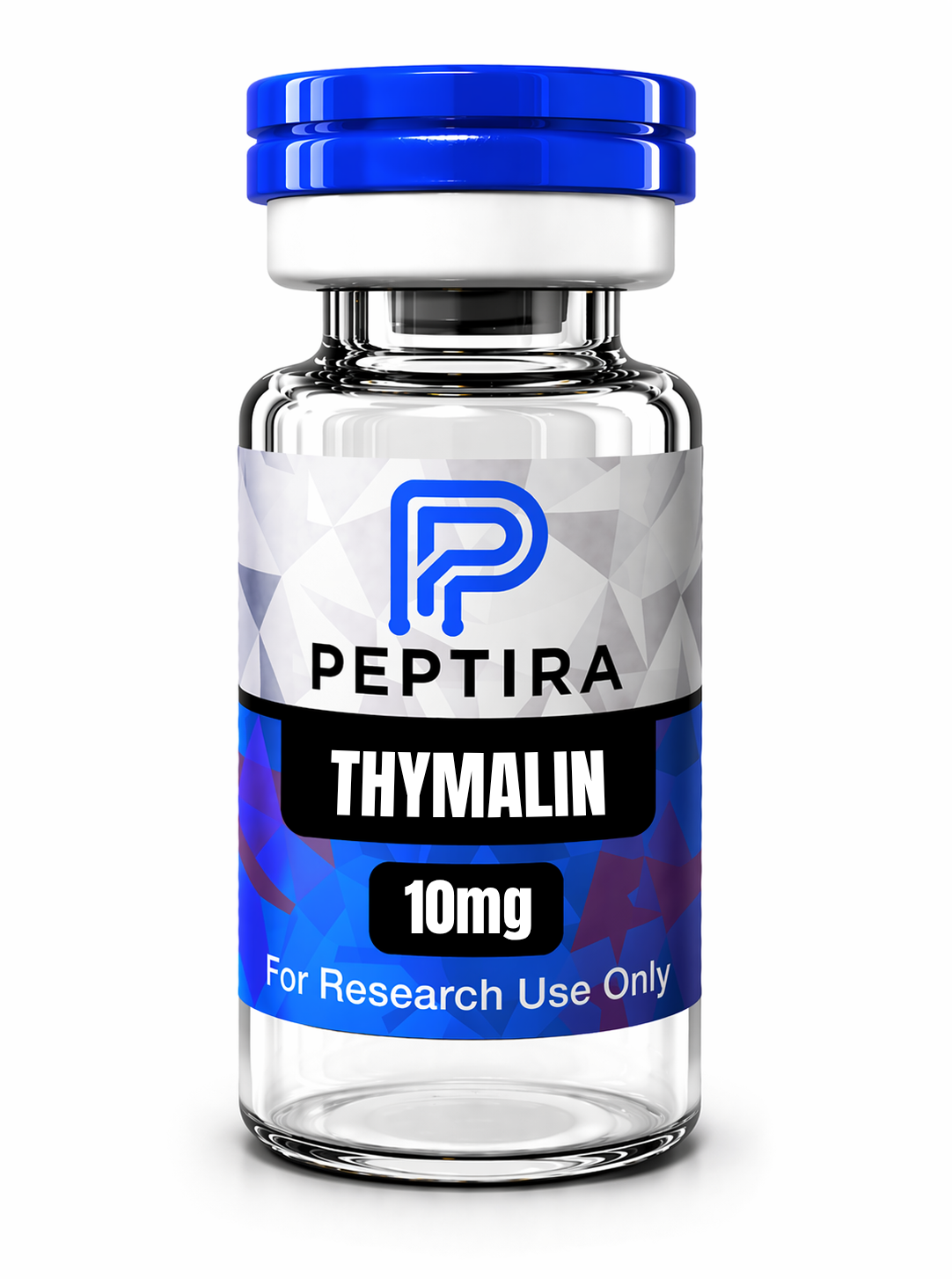
Thymalin
$45.00
Thymalin is a thymus-derived peptide bioregulator studied in research involving immune regulation, T-cell differentiation, cellular signaling, and age-related biological processes. Research has examined Thymalin and its constituent peptides in laboratory and clinical settings, although the evidence base includes older studies and its molecular mechanisms remain an area of investigation. Thymalin is intended for qualified research use only and is not intended for human or veterinary use.
Thymalin – Bioregulator Research Material
Thymalin Research
Thymalin is a thymus-derived peptide bioregulator investigated in research involving immune function, cellular differentiation, and biological regulation. Unlike a single defined peptide, Thymalin is generally described in the scientific literature as a polypeptide complex derived from thymus tissue.
This distinction is important when describing Thymalin because it is different from defined synthetic peptides such as Thymosin Alpha-1.
Immune Research
One of the primary areas of Thymalin research involves immune-system regulation. Earlier studies investigated its relationship with lymphocyte differentiation and T-cell functional activity. Experimental research has reported changes in markers associated with T-cell maturation and immune-cell activity.
These findings provide a basis for continued laboratory investigation into thymus-derived peptide regulation and immune-cell biology.
T-Cell Differentiation Research
Research published in 2020 examined the effects of Thymalin on human hematopoietic stem cells and markers associated with cellular differentiation. The study reported changes in CD44, CD117, and CD28 expression following experimental Thymalin exposure, providing a model for investigating relationships between thymic peptides and immune-cell differentiation.
Such findings are useful for researchers studying cellular differentiation but should not be interpreted as evidence of a specific clinical outcome.
Peptide Bioregulator Research
Thymalin is commonly discussed within the field of peptide bioregulation, where researchers investigate short peptides and peptide complexes in relation to gene expression, protein synthesis, cellular differentiation, and tissue-specific biological processes.
A scientific review has discussed proposed molecular mechanisms involving short peptides associated with Thymalin, including the EW, KE, and EDP peptides, and their potential relationships with gene-expression and cellular pathways.
Cellular Signaling Research
Experimental research has investigated Thymalin in relation to cellular signaling and immune-cell function. Studies have examined pathways associated with lymphocyte differentiation, cytokine activity, and other cellular processes.
The precise molecular mechanism of Thymalin remains an area of continued investigation, making it relevant to research into peptide-mediated biological regulation.
Aging and Bioregulation Research
Thymalin has also been investigated in research concerning aging and biological regulation. Earlier clinical and observational studies examined Thymalin and other peptide bioregulators in older populations. These studies reported various biological and clinical observations, but their age, methodology, and specific research populations should be considered when interpreting the findings.
For an SEO-friendly product page, it is preferable to describe these findings as research observations rather than making claims that Thymalin extends lifespan or treats age-related conditions.
Research Applications
Thymalin may be relevant to qualified laboratory research involving:
- Peptide bioregulators
- Thymus biology
- Immune-cell research
- T-cell differentiation
- Cellular signaling
- Gene-expression research
- Hematopoietic cell research
- Molecular biology
- Peptide chemistry
- Aging and bioregulation research
Experimental results can vary according to the material’s composition, purity, experimental model, concentration, and research methodology.
Product Characterization
Because Thymalin is a complex rather than a single defined peptide molecule, accurate product characterization is particularly important. Researchers should verify the exact product composition, source, purity specifications, lot information, storage requirements, and available certificate of analysis.
Thymalin should also not be automatically equated with Thymosin Alpha-1. These are distinct research materials with different molecular descriptions.
Research Use Only
Thymalin is supplied as experimental research material for qualified scientific and laboratory applications. It is not intended for human consumption, self-administration, diagnosis, treatment, or prevention of disease.
Important Research Notice
For Research Use Only. Thymalin is an experimental thymus-derived peptide bioregulator. Published research includes laboratory, animal, and human studies, but these studies should not be interpreted as establishing a specific therapeutic use for research-grade material. Researchers should follow appropriate institutional laboratory procedures, safety requirements, and applicable regulations.
Be the first to review “Thymalin”
Related products
Bioregulators
Bioregulators
Bioregulators
Bioregulators
Bioregulators
Reviews
There are no reviews yet.